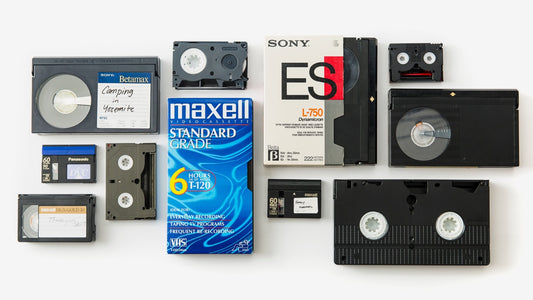
That box of home movies in your closet holds more than just plastic and magnetic tape; it holds your family’s history. But those memories are living on borrowed time. If you’re asking, “how long do vhs tapes last?” the straightforward answer is about 10 to 30 years. The truth, however, is more complicated. The lifespan of your tapes depends heavily on their original quality, how often they were played, and where they’ve been stored all these years. Every tape is on a slow, inevitable journey of decay. This guide will walk you through why that happens, how to spot the warning signs, and what you can do to preserve those irreplaceable moments before they fade away for good.
Key Takeaways
- VHS Tapes Are Physically Breaking Down: The magnetic particles that hold your memories are slowly losing their charge, causing faded colors, muffled audio, and a blurry picture. This natural decay happens to every tape, regardless of how well it's stored.
- Your Storage Environment Matters: You can slow down decay by keeping tapes in a cool, dry place with a stable temperature, like a closet. Storing them upright and away from electronics helps, but this is only a temporary measure, not a permanent fix.
- Digitizing Is the Only Permanent Solution: Converting your home movies to a digital format is the only way to stop the aging process completely. It creates a lasting copy that protects your memories from further damage and makes them easy to watch, share, and back up for generations.
How Long Do VHS Tapes Really Last?
If you’ve got a box of home movies tucked away, you’ve probably wondered if they’re still watchable. The general consensus is that most VHS tapes have a lifespan of about 10 to 30 years. Over time, the magnetic tape that stores your precious memories begins to break down, causing the video and audio quality to fade. Think of it like a photograph left in the sun—the image slowly disappears.
But that 30-year mark isn't a hard deadline. The real lifespan of your tapes depends heavily on their quality, how often they were played, and most importantly, how they’ve been stored. Some tapes might show signs of decay in less than a decade, while others from the 80s could still play surprisingly well. The key takeaway is that all tapes will eventually degrade. The magnetic signal weakens, the colors shift, and the sound becomes distorted. That’s why taking steps to preserve them through video transfer is the only way to guarantee your memories last forever.
What Affects a Tape's Lifespan?
The biggest enemy of a VHS tape is its own chemistry. The magnetic particles that form the video and audio signals naturally lose their charge over time in a process called remanence decay. But external factors can speed this up dramatically. Storing your tapes in a hot attic, a damp basement, or a garage with fluctuating temperatures is a recipe for disaster. Humidity is especially damaging, as it can lead to mold growth and cause the tape layers to stick together. Even storing them near speakers or other electronics can be harmful, as strong magnetic fields can erase parts of your recording.
Why Some Tapes Degrade Faster Than Others
Ever notice how some of your tapes held up better than others? Quality plays a huge role. Cheaper, off-brand tapes were often made with lower-quality materials that break down more quickly. Another factor is how much a tape was used. Each time you played or rewound a tape, the VCR’s heads created friction, physically wearing down the tape’s surface. The delicate binder layer that holds the magnetic particles to the plastic film can flake off, taking your memories with it. A tape that was watched every holiday will degrade much faster than one that was recorded and stored away.
Common Myths About VHS Durability
There’s a lot of conflicting information out there, so let’s clear a few things up. First, the idea that all tapes die after 30 years is often wrong. Many people have tapes from the 70s and 80s that still play perfectly because they were stored correctly. Don’t assume your collection is a lost cause just because of its age. Another common myth is that a tape is safe as long as it’s in its original shrink wrap. Unfortunately, that plastic wrap isn't airtight and can trap moisture, creating a perfect environment for mold to grow inside the cassette.
What Causes VHS Tapes to Break Down Over Time?
If you have a box of VHS tapes tucked away, you’re holding onto precious memories. But those tapes are not as permanent as we once thought. Unlike digital files, VHS tapes are physical objects, and they have a finite lifespan. Over time, a combination of factors—from the tape’s own chemical makeup to the environment it’s stored in—causes the video and audio quality to degrade. Even a tape that’s been sitting untouched on a shelf for decades is slowly breaking down.
Understanding what causes this deterioration is the first step toward saving those irreplaceable moments. The magnetic tape inside each cassette is surprisingly fragile. It’s susceptible to heat, moisture, and the simple wear and tear of being played. The good news is that you can stop this decay in its tracks. By converting your home movies, you can preserve them for generations to come. A professional video transfer service can safely digitize your tapes, even those that are already showing signs of age.
The Invisible Damage: How Tapes Naturally Fade
Even if you’ve stored your tapes perfectly, they are still subject to a natural aging process. The information on a VHS tape is stored on a layer of tiny magnetic particles. Over time, these particles slowly lose their magnetic charge in a process called remanence decay. Think of it like a photograph slowly fading from sun exposure, except it happens invisibly, from the inside out. This gradual loss of magnetic signal leads to a duller picture, faded colors, and muffled sound. It’s an unavoidable part of the tape’s chemistry, meaning every VHS tape has an expiration date.
Environmental Threats Like Heat and Humidity
Where you store your tapes makes a huge difference in how long they last. Attics, basements, and garages are some of the worst places for VHS tapes because of fluctuating temperatures and humidity. Heat can warp the plastic cassette shell and stretch the delicate tape inside. Humidity is even more dangerous, as it can cause the tape’s layers to stick together and encourage mold growth. Experts estimate that tapes can degrade 10-20% over 10 to 25 years in ideal conditions, but a hot, damp environment can speed up that process significantly, ruining a tape in just a few years.
Wear and Tear from Watching and Rewinding
Remember your favorite movie that you watched until the tape wore out? That’s a real phenomenon. Every time you press play, the VCR’s heads make physical contact with the tape, creating friction that slowly wears down the magnetic layer. Rewinding and fast-forwarding put even more stress on the tape, causing it to stretch. A stretched tape can lead to distorted audio, a wobbly picture, and tracking problems. Tapes that were played frequently simply wear out faster, which is why a family’s most-watched home movies are often the first to show signs of damage.
"Sticky-Shed Syndrome" and Other Physical Damage
One of the most common issues with older tapes is a condition called "sticky-shed syndrome." This happens when the binder—the glue holding the magnetic particles to the plastic tape—starts to break down and absorb moisture from the air. This makes the tape’s surface gummy and sticky. When you try to play a tape with sticky-shed, it can shed debris onto your VCR’s heads, damaging both the machine and the tape itself. In severe cases, the tape can become so sticky that it won’t play at all. This is a clear sign that the tape is nearing the end of its life.
How to Tell if Your Tapes Are Deteriorating
Your home movies hold priceless moments, but the tapes they live on are slowly breaking down. Even if they’ve been sitting on a shelf untouched, time takes its toll. Most VHS tapes start showing significant quality loss after just 10 to 25 years. The magnetic tape that stores your family’s laughter and milestones is fragile, and its signal naturally fades over the years. The good news is that the tapes often show clear warning signs that they’re in trouble. Knowing what to look for—and listen for—can help you decide when it’s time to act.
Think of it as being a detective for your memories. You don’t need special equipment, just your eyes and ears. By spotting the clues of decay early on, you can take action before the damage becomes irreversible. From fuzzy pictures and strange sounds to actual physical damage on the cassette, these signs are your tapes’ way of telling you they need to be preserved. Paying attention to these warnings is the first and most important step in ensuring your memories can be passed down for generations to come, long after the original tapes are gone.
Warning Signs You Can See in the Picture
The most obvious signs of decay appear right on your TV screen. When you press play, you might notice the colors look faded or washed out. That vibrant red sweater from Christmas in 1992 might now look dull and pinkish. You may also see a general loss of detail, making the picture appear blurry or snowy, even during scenes that were once sharp. This happens because the magnetic particles on the tape, which hold the video information, are losing their charge over time. If you see tracking lines, static, or a picture that rolls and jitters, it’s a clear signal that the tape is struggling. The best way to lock in those visuals before they degrade further is with a professional video transfer.
Audio Clues That Signal a Problem
Sometimes, your ears will catch a problem before your eyes do. As tapes age, the magnetic particles holding the sound information also weaken. This can cause the audio to sound muffled, distorted, or have a warbling quality, almost like it’s playing underwater. You might also experience sudden audio dropouts, where the sound cuts out for a few seconds and then comes back, or a persistent low hum or hiss in the background. This is a direct result of "remanence decay," a natural process where the tape’s magnetic signal fades. If you can barely make out the conversations, the audio is your tape’s most urgent cry for help.
How to Spot Physical Damage on the Tape Itself
Before you even put a tape in the VCR, give it a quick inspection. Years of playing and rewinding can physically stretch the tape, which can cause playback issues. Look through the little window on the cassette—does the tape look wrinkled or crinkled? Another major issue is known as "sticky-shed syndrome." This happens when the binder—the glue holding the magnetic particles to the plastic film—absorbs moisture from the air and becomes sticky. This can make the tape unplayable and can even damage your VCR. If you see any mold, dust, or a white, powdery residue on the tape, don’t play it. These are all signs that it’s time to seek professional help to safely preserve your memories.
The Best Ways to Preserve Your VHS Tapes
Even though VHS tapes have a limited lifespan, you can take steps to slow down their decline and protect the memories they hold. It all comes down to proper storage, careful handling, and knowing what dangers to avoid. Think of it like caring for old family photos—these tapes need a little extra attention to stay in good shape. By creating the right environment, you can give your home movies the best possible chance of survival until you’re ready to preserve them for good.
Find the Perfect Storage Spot for Your Tapes
Where you keep your tapes matters more than you might think. The ideal home for your VHS collection is a cool, dry place with a stable temperature. Attics, basements, and garages are often the worst spots because they experience big swings in temperature and humidity. Instead, choose a closet in the main part of your house. The key is consistency. Drastic changes can cause the tape to expand and contract, damaging the delicate magnetic ribbon inside. Keeping your tapes in a controlled environment is one of the most effective things you can do to extend their life.
Handle and Play Your Tapes Safely
Every time you press play on your VCR, you’re causing a little bit of wear and tear on the tape. While you should absolutely enjoy your memories, it’s best to handle your tapes with care and avoid playing them excessively. Always hold them by the outer cassette, not the tape ribbon itself. You might have heard you should always rewind tapes after watching, but what’s more important is gentle, infrequent use. The physical stress of being played, rewound, and fast-forwarded is what contributes to their breakdown over time.
Protect Tapes from Hidden Dangers
Some of the biggest threats to your VHS tapes are invisible. Over time, the magnetic particles that store the video and audio information naturally lose their charge, causing the picture and sound to fade. Humidity is another major enemy. It can cause a problem known as "sticky-shed syndrome," where the binder that holds the magnetic particles to the plastic base gets gummy. This can make the tape unplayable and even damage your VCR. Keeping tapes in a dry environment helps prevent this kind of irreversible damage.
Store Your Tapes the Right Way
Beyond finding a cool and dry spot, a few other storage rules can make a big difference. Always store your tapes upright in their cases, like books on a shelf. This prevents the tape edges from getting damaged. It’s also crucial to keep them away from anything that produces a magnetic field, like speakers, TVs, and even the VCR itself, as magnets can erase the information on the tape. Ultimately, the only way to truly protect these memories from physical decay is through video transfer, which creates a lasting digital copy that won’t fade away.
Is It Time to Convert Your VHS Tapes to Digital?
If you have a box of old VHS tapes tucked away, you’re probably wondering what to do with them. You know they hold precious memories, but the VCR is long gone, and the tapes themselves are getting older by the day. The good news is that you can save those memories. Converting your VHS tapes to a digital format is the best way to protect them from disappearing forever and make them easy to watch and share again.
Why Digitizing Is the Best Way to Preserve Memories
Think of your VHS tapes like old family photographs—they're irreplaceable, but they won't last forever. Most tapes have a lifespan of about 10 to 30 years before the magnetic tape inside starts to break down. This process, called degradation, causes the picture and sound quality to fade, even if the tapes are just sitting in a box.
When you convert your videos to a digital format, you essentially freeze them in time, stopping any further decay. It’s the single most important step you can take to preserve those memories for good. Plus, digitizing makes your home movies accessible again. You’ll no longer need to hunt down an old VCR; you can watch, edit, and share those moments from your computer, phone, or smart TV with family and friends, no matter where they are.
DIY vs. Professional Services: What's Right for You?
Once you decide to digitize, you have two main paths: do it yourself or use a professional service. The DIY route involves buying a VCR and a digital converter, then spending the time to transfer each tape in real-time. While it gives you control, it can be time-consuming, and the quality might not be great if you’re not familiar with the technology.
Using a professional service like YesVideo means you’re putting your memories in the hands of experts. We handle each tape with care, using high-quality equipment to get the best possible picture and sound. This isn't just a technical process; it's about rescuing a piece of your personal history from decay. A professional service gives you peace of mind, knowing your fragile and irreplaceable tapes are being handled correctly and the final digital files will be something you can treasure.
How to Keep Your New Digital Memories Safe for Good
After your tapes are digitized, the final step is to make sure your new digital files are safe for the long haul. The best approach is to follow the 3-2-1 backup rule: keep at least three copies of your files, on two different types of storage media, with one of those copies stored off-site.
For example, you could keep one copy on your computer's hard drive, a second copy on an external hard drive, and a third copy in a cloud storage service like Google Photos or Dropbox. This creates redundancy, so if one copy is lost or damaged, you have others to fall back on. It’s also a great idea to organize your files with clear names and dates, making it easy to find that specific birthday party or holiday gathering whenever you want to take a trip down memory lane.
Related Articles
- How to Repair a VHS Tape: Step-by-Step Guide
- Digitizing Home Movies: The Complete Guide
- How to Clean VHS Tapes Safely
- Restoring Old Videos: What You Need to Know
- How to Preserve DV Tapes: A Practical Guide
Frequently Asked Questions
My tapes are from the 80s. Is it already too late to save them? Not at all. While the 10-to-30-year lifespan is a good general guideline, it’s not a strict expiration date. Many tapes from the 70s and 80s still play surprisingly well, especially if they were high-quality and stored properly. The most important thing is not to assume they're a lost cause just because of their age. The best way to know for sure is to have them professionally assessed and transferred, which can often salvage footage even from tapes that show signs of wear.
What's the absolute worst place to keep my home movies? Anywhere with unstable temperature and humidity is a tape’s worst enemy, so think attics, basements, or garages. These places often get hot in the summer and cold in the winter, causing the delicate tape inside the cassette to expand and contract, which leads to damage. Humidity is especially bad because it can cause mold and make the tape layers stick together, a problem that can ruin both the tape and the VCR you play it in.
Can I damage a tape just by playing it to see if it still works? It’s possible, yes. If a tape has developed a common issue called "sticky-shed syndrome," its surface has become gummy and playing it can cause the magnetic layer to peel off and get stuck inside your VCR. You also risk the tape snapping if it has become brittle. If you see any visible damage like mold or a wrinkled tape ribbon, it's best not to play it and instead seek professional help to safely transfer the footage.
My tapes look perfectly fine on the outside. Does that mean they're not degrading? Unfortunately, some of the most significant damage is completely invisible. The magnetic particles that hold the video and audio information naturally lose their charge over time, which causes colors to fade, pictures to look fuzzy, and sound to become muffled. This happens from the inside out, so a tape can look pristine while its quality is slowly fading away.
If I store my tapes perfectly, will they last forever? Proper storage is the best thing you can do to slow down the aging process, but it can’t stop it completely. The materials used to make VHS tapes are inherently unstable and will eventually break down no matter how well you care for them. Storing them correctly buys you more time, but the only way to truly preserve your memories for good is to convert them to a stable digital format.