Every film reel in your collection holds a story. A small, 7-inch reel might contain a short and sweet memory of a birthday party, while a larger one could hold the entire narrative of a family wedding. The size and type of your 16mm film reels give you clues about the moments captured within them. Understanding what you have is the first step in rediscovering and sharing these stories with your loved ones. This guide will help you get acquainted with your film collection by breaking down the different reel sizes, materials, and brands, preparing you to bring those precious memories back to life.
Key Takeaways
- Know What You Have: Before buying anything, identify your film type by checking the sprocket holes (one side for Super 16, two for Standard 16) and measure the reel's diameter to estimate the footage length.
- Match the Reel to Your Goal: Select a reel based on how you'll use it. Quality plastic reels are perfect for long-term storage, while stronger metal or heavy-duty plastic reels are better suited for frequent projection and handling.
- Digitize for True Peace of Mind: While a good reel is crucial for physical care, the only way to permanently protect your memories from fading or damage is to digitize them. This creates a lasting digital copy you can easily share and enjoy with family.
Get to Know Your 16mm Film Reels
If you’ve stumbled upon a box of old 16mm film, you’re holding some incredible family history. But figuring out exactly what you have can feel a little intimidating. Don’t worry—understanding the basics is easier than you think. These reels hold priceless memories, from candid home movies to special events, and identifying them is the first step toward bringing those moments back to life. Let’s walk through the key features to look for so you can get a better sense of the treasures you’ve found. Once you know the format, material, and size of your reels, you’ll be ready to preserve them for good.
Standard vs. Super 16mm
One of the first things to check is whether your film is Standard 16mm or Super 16mm. The difference is all about the picture size. Take a close look at the film strip itself. If you see sprocket holes (the little square perforations) running down both sides, you have Standard 16mm. If the sprocket holes are only on one side, it’s Super 16mm. This format uses the extra space for a wider image. While many professional filmmakers used cameras like the Arri 16SR, both formats were used for all kinds of projects, so your family could have either one.
Split vs. Solid Reels
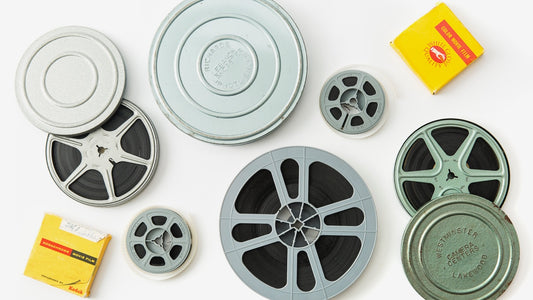
Next, let’s look at the reel holding the film. You’ll likely find one of two types: split or solid. A solid reel is a single, sturdy piece that the film is wound onto directly. This is the most common type you’ll see for home movies. A split reel, on the other hand, is made of two separate halves that screw together. It’s designed to hold film that has been wound onto a plastic core. You might find these reels made of either metal or plastic. If your film is just on a core, you’d need a split reel to be able to play it on a projector.
Common Reel Sizes and Footage Capacity
Trying to guess how much footage you have? The size of the reel is your best clue. You can get a good estimate by measuring the diameter of the reel from edge to edge. Home movies are often on smaller reels, while professional productions used much larger ones. The most common reel sizes you’ll find are 400-foot reels, which are about 7 inches across. Larger reels, like 15-inch ones, can hold up to 2,000 feet of film. Knowing the footage helps you understand the potential runtime and is great information to have when you’re ready to have your film digitized.
Find the Right 16mm Reel Size
When you’re holding an old film reel, one of the first things you’ll notice is its size. The diameter of the reel is a direct clue to how much footage it holds, which helps you understand the memories captured on it. Whether you have a short clip from a birthday party or a longer recording of a family wedding, identifying the reel size is a simple first step. Different sizes were used for different purposes, from quick home movies to more extensive projects. Let's walk through the most common 16mm reel sizes you're likely to find in your collection so you can get a better idea of what you have.
400-Foot Reels: For Short Films and Home Movies
This is one of the most common sizes you'll find in a family collection. The 400-foot reel was the go-to for short films and personal home movies because it was lightweight, easy to handle, and affordable. It was perfect for capturing those brief but beautiful moments—a baby’s first steps, a holiday gathering, or a day at the beach. If you have a stack of these smaller reels, you likely have a wonderful collection of bite-sized memories. Getting a film transfer for these reels is a great way to bring those short stories back to life and make them easy to share with everyone.
800-Foot Reels: For Documentaries and Events
If you come across a reel that’s a bit larger, it might be an 800-foot reel. This size offered a good balance between length and manageability, making it a popular choice for filming longer events like weddings, recitals, or extended family vacations. It allowed the person behind the camera to capture more of the story without constantly needing to switch out the film. These reels often contain the main events of our lives, holding more in-depth narratives and detailed accounts of special occasions that you’ll definitely want to preserve for future generations to enjoy.
1200-Foot Reels: For Longer Features
The 1200-foot reel was designed for even more substantial projects. You might find this size if a family member was a serious hobbyist or an aspiring filmmaker. It holds a significant amount of footage, allowing for longer, uninterrupted storytelling. These reels could have been used to create a family documentary, capture an entire sports season, or produce a full-length home feature. Because they hold so much film, they often contain some of the most comprehensive and cherished family histories, making them incredibly valuable to digitize and share with your loved ones.
1600-Foot+ Reels: For Professional Archives
Reels that are 1600 feet or even larger were typically reserved for professional archives and very extensive projects. While less common in typical home movie collections, you might discover one if a relative worked in the film industry or was an extremely dedicated filmmaker. These heavy-duty plastic film reels were built to store large volumes of footage efficiently. Finding one of these in your attic is like uncovering a time capsule, as it could contain hours of professionally shot or meticulously archived family history just waiting to be rediscovered.
Choose the Best Material for Your Film Reels
When you're handling precious film, the reel it's wound on matters more than you might think. The two main players in the game are plastic and metal. Each has its own strengths, and the right choice often comes down to how you plan to use and store your film. Let's look at what sets them apart so you can pick the best home for your memories.
Plastic Reels: The Everyday Choice
Think of plastic reels as the reliable, everyday choice for your 16mm film. They're popular for a reason: they are lightweight, affordable, and get the job done without any fuss. Heavy-duty plastic options are especially great for storage because the material won't bend, warp, rust, or corrode over time. This means your film stays safe and secure, protected from the kind of damage that can happen with other materials. For most home movie collections, a good quality heavy-duty plastic reel is a fantastic and practical option.
Metal Reels: Built for Durability
If you're looking for something with a bit more heft and a classic feel, metal reels are your go-to. They are known for their robust construction and durability, making them a favorite for frequent projection or editing work. You'll often find reels that combine materials, featuring a strong steel core with plastic sides. This hybrid design is especially useful for larger reels (800 feet and up) that need extra support to handle the weight of all that film without buckling. For bigger projects or archival purposes where strength is the top priority, metal provides that extra peace of mind.
Comparing Durability and Performance
So, how do you choose between plastic and metal? It really boils down to your priorities. If long-term storage is your main goal, plastic is an excellent choice. Its non-corrosive nature means you won't have to worry about rust damaging your film over the decades. They are low-maintenance and reliable. On the other hand, metal reels offer superior strength for handling, especially if you're actively using the film on projectors or editing equipment. While sturdy, they can be heavier and you'll want to ensure they are stored in a dry environment to avoid any potential corrosion.
Weight and Maintenance Tips
Don't forget about the practical side of things, like weight. A standard 100-foot plastic reel is light and easy to handle, but as you get into larger film collections, the weight adds up. Regardless of the material you choose, proper care is key. Always store your reels in cases or boxes to protect them from dust, light, and physical damage. A clean, dry, and cool environment is your film's best friend. Keeping your reels in top shape ensures they're ready for viewing or when you decide it's time to professionally transfer your film to a digital format for easier sharing.
Top Brands for 16mm Film Reels
A Note on Preserving Your Film with YesVideo
Choosing the right reel is a fantastic step in caring for your 16mm film. But what about long-term preservation? Physical film, even when stored perfectly, can degrade over time. The best way to protect those irreplaceable memories for future generations is to digitize them. At YesVideo, we specialize in film transfer, carefully handling your precious reels by hand to create high-quality digital copies. Think of it as the ultimate backup for your family’s history. Once your films are digitized, you can easily watch, share, and enjoy them with loved ones anywhere, without worrying about the film fading or breaking.
Spectra Film and Video
If you’re looking for reels that are built to last, Spectra Film and Video is a name you’ll see often. They are well-known for their "heavy-duty" polystyrene plastic reels, which are designed for professional use in projectors and editing machines. What does "heavy-duty" mean for you? It means these reels are less likely to warp or crack, providing a stable and secure home for your film. This makes them a great choice if you plan on handling or projecting your films frequently. They offer a variety of sizes, so you can find the right fit whether you have a short home movie or a longer reel.
Eclair
You might hear names like Eclair or Arri mentioned when discussing 16mm film, and for good reason. These brands are legendary for their high-quality professional cameras, with the Arri 16SR line being a favorite among filmmakers for decades. While these companies are famous for cameras, not reels, they set the standard for quality in the 16mm world. The lesson here is that the equipment you use matters. Just as a filmmaker wouldn't use a poor-quality lens on a great camera, you shouldn't store your precious film on a flimsy reel. Investing in a solid, well-made reel is just as important as the camera that captured the footage in the first place.
TayloReel
For those who prefer to support domestic manufacturing, TayloReel is an excellent option. Their plastic movie reels are 100% made in the USA, offering a reliable choice for storing your 16mm film. They produce reels in common sizes, like the popular 800-foot capacity, which is perfect for longer home movies, school projects, or event recordings. TayloReel products are often found on marketplaces like eBay and through specialty retailers. They are a solid, no-fuss choice for anyone needing a dependable reel for archiving or projecting their films. Their straightforward design and construction make them a go-to for both hobbyists and archivists who value quality and durability.
Brand Name vs. Generic: Does It Matter?
When you're shopping, you'll find both well-known brands and more affordable generic options. So, does the brand name really matter? Sometimes. A reputable brand often comes with a history of quality and positive customer reviews, which can give you peace of mind. On sites like Amazon, you’ll notice top products are often those that are purchased frequently and have high star ratings. However, a generic reel isn't automatically a bad choice. The most important thing is to check the material quality and read recent user reviews. A sturdy, well-made generic reel can be just as effective as a brand-name one, but a little extra research is key to avoid a flimsy product that could damage your film.
Where to Buy 16mm Reels (And What to Expect to Pay)
Once you know what size and type of reel you need, the next step is finding where to buy it. Luckily, you have plenty of options, whether you’re looking for a brand-new professional-grade reel or a vintage one with a bit of character. From specialty online stores that cater to filmmakers to sprawling marketplaces where you can find a great deal, there’s a source out there that fits your needs and budget. Knowing where to look can save you time and help you find the perfect reel for your precious films. Let’s walk through some of the best places to start your search and what you can expect to spend.
Online Specialty Retailers
If you’re looking for high-quality, reliable reels, your best bet is an online store that specializes in film equipment. These retailers cater to professionals and serious hobbyists, so they typically stock durable, well-made products. For example, Spectra Film and Video offers heavy-duty plastic film reels designed to withstand regular use. Shopping at a specialty store gives you peace of mind that you’re getting a product built for the job, which is especially important when you’re handling irreplaceable family films. They often have knowledgeable staff who can answer any specific questions you might have about their products.
The Film Photography Project Store
Another fantastic resource is The Film Photography Project Store. It’s a great spot for both seasoned filmmakers and those just starting out. They offer new 100-foot plastic 16mm reels, and each one conveniently comes with its own storage box to keep your film safe and dust-free. One of the fun quirks is that the color of the reels can vary, which adds a little personality to your collection. This is a solid, straightforward option if you need a standard-sized reel for smaller home movies or short film projects and want the convenience of a complete package.
Marketplaces like eBay
For the treasure hunters and budget-conscious shoppers, online marketplaces are a goldmine. You can find a huge selection of 16mm movie reels on eBay, from vintage metal reels to new plastic ones, often at very competitive prices. It’s an excellent place to compare different sellers and find exactly what you’re looking for. Many listings also include free shipping, which is always a nice bonus. Just be sure to read the descriptions and check seller ratings carefully to ensure you’re getting a quality product, especially if you’re buying used reels for archival purposes.
Typical Costs and Finding Deals
The price of 16mm reels can vary quite a bit depending on the size, material, and condition. Generally, you can find options under $35, with mid-range reels falling between $35 and $75, and professional or rare reels costing over $75. On a marketplace like eBay, prices can range from just a few dollars for a small, used plastic reel to nearly $200 for a large, pristine metal one. To get the most for your money, look for sellers who offer bundles. Some retailers, like Spectra Film and Video, even provide all-inclusive film packages that include discounts on film stock, processing, and scanning, which can lead to significant savings.
Your 16mm Film Reel Checklist
Choosing the right 16mm film reel isn't just about finding something to wind your film onto; it's about protecting your memories for years to come. The right reel ensures your film is stored safely, plays smoothly, and stands the test of time. Before you make a purchase, run through this simple checklist to make sure you’re getting exactly what you need for your precious home movies or creative projects. These small details can make a huge difference in keeping your film in top condition.
Match Reel Size to Film Length
First things first, you need to match the reel size to the length of your film. Storing a long film on a small reel can damage it, while a short film on a massive reel is just unwieldy. Common 16mm reel sizes are measured in feet and correspond to the reel's diameter: a 400-foot reel is about 7 inches across, while a 2,000-foot reel is about 15 inches. Getting the size right ensures your film is stored properly without being wound too tightly or left too loose, which helps prevent warping or scratches over time.
Consider Your Project's Needs
Think about how you plan to use the film. Are you just storing it, or will you be watching it on a projector or running it through an editing machine? For more demanding uses, especially with larger reels (800 feet and up), look for heavy-duty options. Many of these feature a strong steel core that adds durability and stability. This is especially important if your equipment uses a 5/16" keyed spindle, as these sturdier reels are designed to handle the stress of repeated playback and handling without flexing or breaking.
Think About Long-Term Storage
If your goal is to preserve your film for future generations, the reel's material is a key factor. Look for reels made from non-corrosive, archival-quality materials that won't degrade and damage your film over time. This helps protect your memories from environmental factors like humidity and temperature changes. While a good reel is a great first step, the best way to ensure your film lasts forever is by digitizing your film reels. This creates a permanent digital copy that won't fade, decay, or get damaged, allowing you to easily share your memories with family and friends.
Check Projector Compatibility
Finally, before you click "buy," double-check that the reel is compatible with your projector or editing equipment. It’s a simple step that can save you a lot of frustration. Most standard 16mm projectors and editing machines use a 5/16" keyed spindle, and most reels are designed to fit this. However, it's always wise to confirm this, especially if you have older or more specialized equipment. A quick check of your projector's manual or the reel's product description will ensure a perfect fit and smooth playback every time.
Frequently Asked Questions
How can I quickly estimate how much footage is on my reel? The easiest way to get a good idea is by measuring the diameter of the reel itself. A small, 7-inch reel typically holds about 400 feet of film, which was very common for home movies. If you have a much larger reel, say around 15 inches across, you could be looking at 2,000 feet of footage. Knowing the size gives you a great starting point for understanding the length of the memories you've found.
Does it matter if my film has sprocket holes on one side or two? This detail tells you whether you have Standard 16mm (holes on both sides) or Super 16mm (holes on one side). While it's interesting to know, you don't need to worry about it when it comes to preservation. Professional transfer services are equipped to handle both formats, so either way, your family memories can be beautifully digitized without any issue.
For long-term storage of family movies, is a plastic or metal reel better? If your main goal is simply to keep your films safe in storage, a high-quality plastic reel is an excellent choice. The material is lightweight and won't rust or corrode over time, which protects your film from potential damage. Metal reels are incredibly durable and great for frequent use on a projector, but for pure archival safety, a sturdy plastic reel is a very reliable and practical option.
Some of my film is wound on a plastic hub without any sides. What do I do with that? That plastic hub is called a core. Film was often stored this way to save space. To play it on a projector, you would need a special two-piece "split reel" that clamps around the core. However, if your plan is to have the film digitized, you don't need to do anything at all. We can handle film on cores directly, so you can just send it in as is.
If I get a good quality reel, do I still need to digitize my film? Yes, and it's a great question. A good reel is like a sturdy photo album—it protects the physical object. But digitization is like creating a permanent, perfect backup of the memory itself. Physical film can become brittle, fade, or get damaged over time, no matter how well it's stored. Creating a digital copy is the only way to ensure your family's history is safe forever and can be easily shared with everyone you love.